
Cold mornings change how grease behaves, and that changes how you grease. A grease that pumped easily in September can feel stiff in January, move slowly through the hose, and sit in the coupler instead of reaching the joint. The same shift affects farm equipment winter lubrication and construction equipment winter maintenance, because both depend on grease arriving at the right point in the right amount.
Two properties explain most of it. Pumpability is how readily grease travels from the gun through the hose, coupler and fitting under pressure. Flowability is how readily it moves once inside the bearing or bushing. Cold works against both: grease stiffens as temperatures fall, and the base oil governs how well it keeps flowing (STLE's explainer on grease flow). There is also a trade-off to plan around, since a stiffer grease stays in place better under heavy load but resists pumping when cold, while a softer grease moves easily but holds up less well under slow, heavily loaded service (Purdue Extension's guide to grease selection).
These winter greasing tips start from that reality and stay practical: what changes in the cold, how to pick a grease that suits it, how to run the gun, and how to look after both machine and tool. Your machine's manual still governs the grease type and the service interval. This guide helps you apply it well when the temperature drops.
Key Takeaways
Cold stiffens grease and slows its flow, so the same grease and gun behave differently in winter than in summer.
NLGI grade describes consistency, not cold performance; the low-temperature torque and pumpability figures on the data sheet tell you how a grease behaves in the cold.
Clean fittings, a purged gun and steady delivery at the joint matter more in winter, when grease has less margin to travel.
The OEM manual sets the grease specification and interval for each machine; winter practice applies that specification, it does not replace it.
Why Cold Weather Makes Equipment Lubrication Difficult
Cold raises the resistance grease meets at every stage: pushing it out of the gun, moving it down the hose, forcing it through the fitting, and spreading it across the bearing surface. When temperatures drop, grease stiffens and soon fails to circulate through the system, which leaves parts under-lubricated even though the gun was worked (STLE's explainer on grease flow). The operator feels this as a stiff lever, slow delivery and a joint that takes far longer to show grease at the seal.
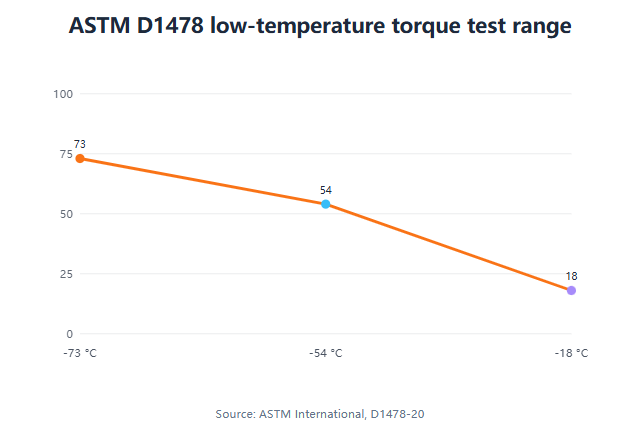
The laboratory measure of that resistance is low-temperature torque (ASTM D1478). The method measures starting and running torque of a slow-speed ball bearing below −18 °C (0 °F), and specifications can require testing anywhere from −73 °C to −18 °C depending on the grease type. Starting torque is the criterion most often used to set a grease's low-temperature limit. In field terms, that number tells you how much the grease will hold a cold machine back before it has warmed up.
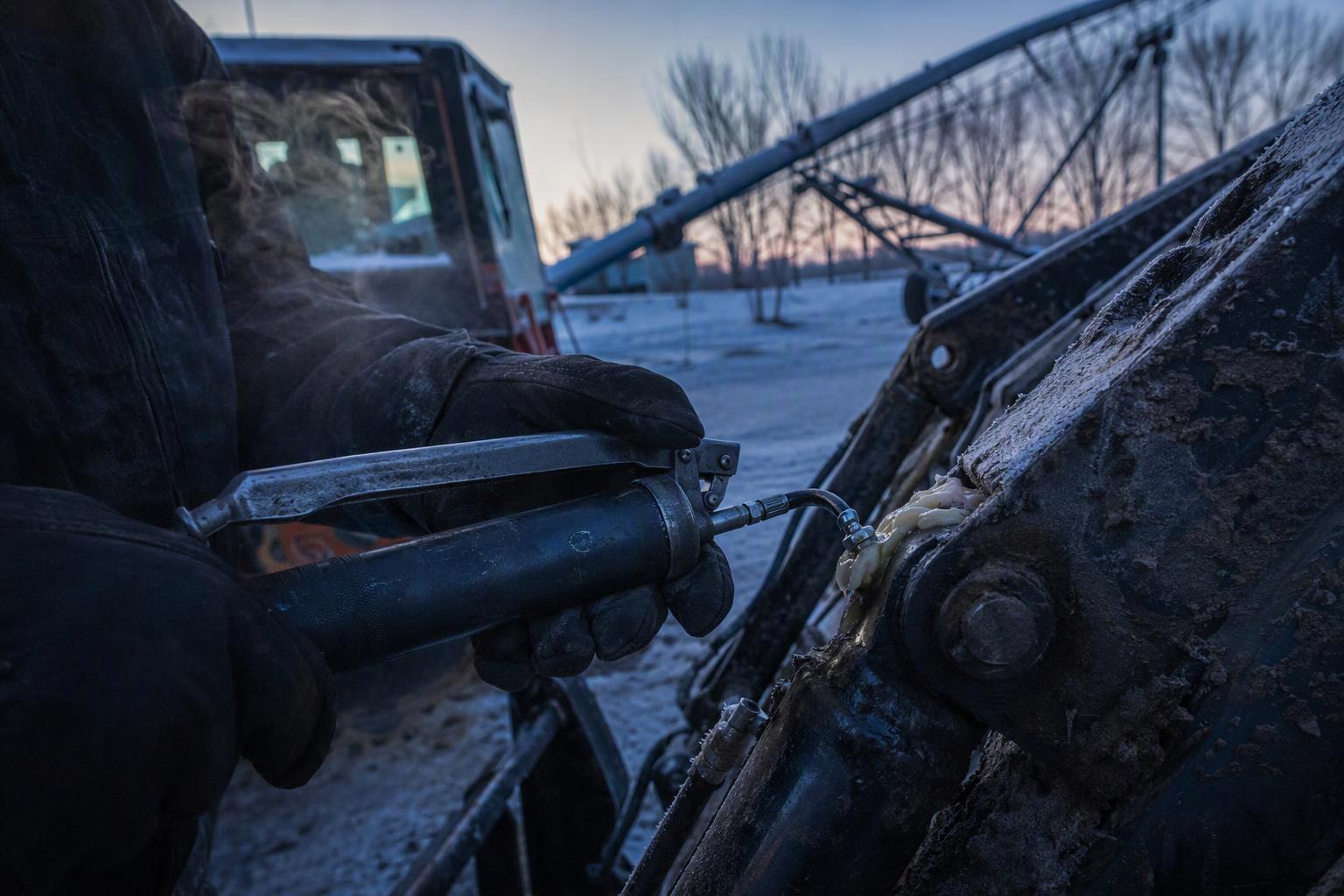
Picture a northern construction site at first light, with frost on the boom pins and the gun sitting in a cold truck bed overnight. Or a tractor coming out of winter storage, its first greasing due before spring work. In both cases the grease has to travel further through cold metal than it did in autumn.
Pro Tip: Schedule winter greasing for the warmest part of the day. A few degrees of ambient warmth reduce pumping resistance and make every joint easier to reach.
How to Choose a Grease Suitable for Winter
Start with what the grade number actually means. The NLGI consistency grade is assigned from worked penetration measured at 25 °C (77 °F), and the scale runs from Grade 0 at 355–385 (0.1 mm) through Grade 1 at 310–340 and Grade 2 at 265–295 to Grade 3 at 220–250, where a higher number means a harder grease (the NLGI consistency grade table). The measurement itself comes from ASTM D217 cone penetration, which covers greases with penetrations from 85 to 475 and requires worked penetration to assign the grade.
That is the key point for cold weather grease selection: grade describes consistency at a warm test temperature, not cold performance. A Grade 2 grease is not automatically a poor winter choice, and a Grade 1 is not automatically a good one. What separates them in the cold is the base oil and the formulation, which is why the data sheet matters more than the grade alone.
NLGI grade | Worked penetration (0.1 mm, 25 °C) | Typical service | What to check on the data sheet |
|---|---|---|---|
0 | 355–385 | Centralized systems, easy-flow applications | Low-temperature torque and pumpability figures |
1 | 310–340 | Winter use where pumping resistance matters | Low-temperature torque and pumpability figures |
2 | 265–295 | General-purpose bearings and joints | Low-temperature torque and pumpability figures |
Cold-flow performance is measured, not assumed. The industry uses tests such as the Kesternich method (DIN 51805) alongside the mobility and Ventmeter procedures (STLE on cold-flow test methods). Ask your supplier for those results, or read them off the technical data sheet, before committing a machine to a grease for the season.
Then check the manual. The machine's specification decides the grease type, and the data sheet confirms it will perform at your site's temperatures. If you are working through stock, inspect grease more than one year old and re-run worked penetration to confirm it still sits within its intended grade (NLGI's one-year grease inspection advice).
Key Takeaway: Grade is consistency, not a cold rating. Choose the grade the manual calls for, then confirm the cold performance from the data sheet's torque and pumpability figures.
How to Use a Grease Gun Correctly in Low-Temperature Environments
Low-temperature grease gun use comes down to three habits: a gun free of air, a clean connection, and confirmation that grease actually arrived. Work through these steps before the first fitting of the day.
Purge air from the gun. Trapped air compresses in the cold and leaves you pumping against nothing. Bleed the gun until a steady bead of grease appears at the coupler.
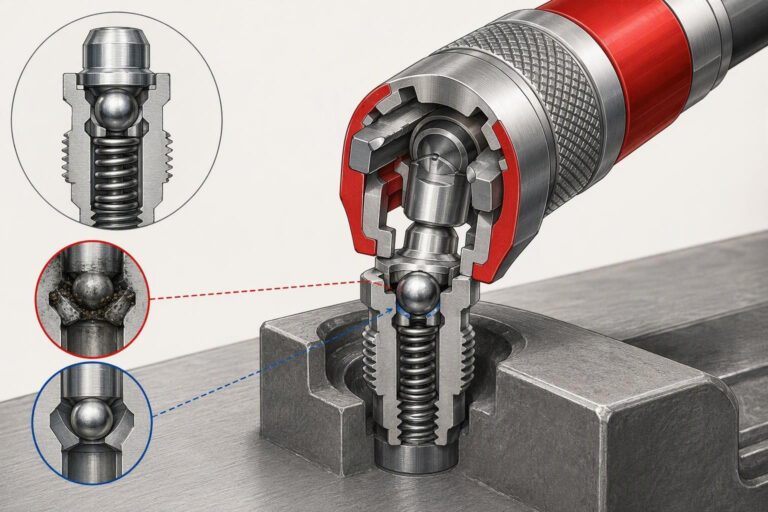
Wipe the fitting and the nozzle. Dirt on a fitting can be forced into the channel when the coupler seats. A clean rag on both surfaces takes seconds and protects the bearing.
Roll the coupler on squarely. Seat it until it locks rather than pushing it on at an angle, which is harder on a frosted fitting.
Pump slowly and watch the joint. Steady strokes move cold grease better than fast ones. Stop when fresh grease shows at the seal.
Wipe away excess and move on. Leaving surplus grease around the fitting collects grit.
A blocked hose or coupler usually announces itself as a gun that feels stiff but delivers nothing. Loosen the coupler, check that the hose is not kinked, and re-seat it before assuming the gun has failed.
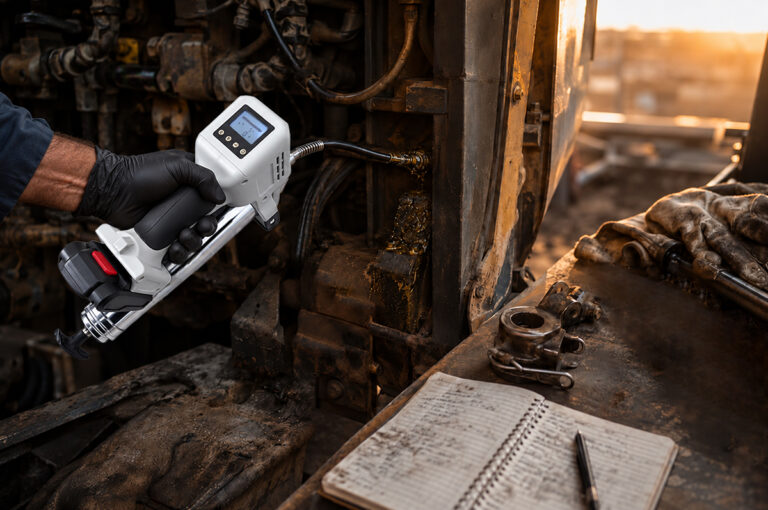
A gun that delivers steadily makes these steps easier. For example, the C8 grease gun is built around a 2.0Ah Li-ion battery inside the tool, a clear plastic tube so you can see the remaining grease level, 8000PSI high pressure and an 80g/min high flow rate for easy greasing of equipment. It charges through Type C USB with a phone charger adapter and comes with a flexible hose and a steel hose, a 4Jaws nozzle and a tip nozzle.
One caution applies whatever gun you use. Mixing greases can fail on thickener, base oil and additive differences, not thickener alone, and a poorly handled changeover can cost downtime up to permanent equipment damage (STLE's feature on grease compatibility). Assume two greases are incompatible until testing proves otherwise.
⚠️ Warning: Do not top up a joint with a different grease type without checking compatibility first. Confirm the specification before you change products mid-season.
Between jobs, wipe the nozzle before attaching it and cover the coupler during storage, as Machinery Lubrication's guide to grease gun care advises. Storing the gun unpressurized, clean and horizontal limits oil bleed, so it is ready to deliver steadily on the next cold morning.
Winter Lubrication Checklist for Farm Equipment
Farm equipment winter lubrication works best as a routine you complete before storage and repeat through the season. Tractors, loaders and implement attachments all collect grease, crop residue and dirt in the same places, and that mixture holds moisture against metal. Clean those areas deliberately, and keep high-pressure water and degreasers away from bearings, electronic components, chains and belts (Penn State Extension's winter storage checklist).
Use this checklist at season's end and again before spring work:
Clean the machine and note every repair needed while you can still see the wear.
Clear grease, crop residue and dirt from around fittings and pivot areas.
Grease every point to the manual's specification, confirming fresh grease at each seal.
Dry the machine fully before it goes into enclosed storage.
Touch up bare metal with paint or a light machine oil.
Record the grease type, grade and date against each machine.
Re-check fittings and grease condition before the machine returns to work.
The records matter as much as the work. A shop manager who knows which grease went into which machine, and when, can spot a joint that is taking more grease than it should. That early signal is worth more than a rushed repair in spring.
Winter Lubrication Guide for Construction Machinery
Construction equipment winter maintenance puts the hardest duty on pins, bushings and articulation points, because those joints carry load at slow speed where a stiff grease struggles most. Excavator pins and bushings, loader articulation points and skid-steer pivot points all need grease that reaches the surface and stays there. For skid steers, low-temperature grease for pivot points is part of a normal winter prep routine (one provider's winter prep for skid steers).
There is no single interval that fits a mixed fleet. Each machine's manual sets its own grease specification and service frequency, and where cold conditions are severe, the manual or the dealer is the right place to confirm whether an arctic-grade or low-temperature lubricant is called for (one provider's excavator winterizing guide). Build the schedule machine by machine rather than applying one fleet-wide rule.
Storage supports the whole routine. Keep grease in a cool, dry, indoor area that stays above 32 °F (0 °C) and does not exceed 86 °F (30 °C), store cartridge tubes upright, raise barrels off the floor, and never let a barrel warmer heat grease above 75 °F (one provider's guidance on storing grease). Grease that has been kept within that window arrives at the gun in good condition.
Plan the work around the crew as well as the machine. Wind chill is the number to plan outdoor work by, and frequent short breaks in warm, dry areas keep hands working accurately . Accurate greasing needs warm hands and a clear head more than it needs speed.
Winter Grease Gun Storage and Care
A grease gun that is stored well starts the next cold morning ready to work. Store it unpressurized, wiped clean, in a clean, cool, dry area and lying horizontally to limit oil bleed, and cover the coupler during storage . Wipe the nozzle before attaching it to any fitting.
Between uses, check these points:
Hose condition. Look for cracks, stiff spots and worn crimps before each session.
Coupler fit. A coupler that no longer locks firmly lets grease escape instead of entering the fitting.
Grease level. A clear tube lets you see how much remains, so you refill before a job rather than mid-point.
Moisture. Keep the gun out of damp storage and wipe it dry before it goes away.
Battery care. Charge the battery as the tool's instructions direct, and store it away from cold floors.
After a long period of disuse, test the gun before taking it to a machine. Purge it, check for steady delivery and confirm the coupler seats properly. A two-minute check at the bench saves a wasted trip to a cold yard.
FAQ
Which NLGI grade should I use for winter greasing?
Use the grade your machine's manual specifies, then confirm from the data sheet that the grease performs at your site's temperatures. Grade describes consistency at 25 °C, not cold behavior, so the low-temperature torque and pumpability figures are what tell you how it will behave in winter.
Can I mix two greases in winter to use up old stock?
Treat two greases as incompatible until testing proves otherwise. Mixing can fail on thickener, base oil and additive differences, and a poorly handled changeover can cause downtime up to permanent equipment damage. Check with your supplier before combining products.
Why does my grease gun deliver slowly on cold mornings?
Cold grease resists flow, so the same gun delivers more slowly than it did in warm weather. Purging air, keeping the coupler clean and pumping with steady strokes all help. A gun with high pressure and a good flow rate gives you more margin on the coldest days.
How should I store grease and the gun between seasons?
Keep grease in a cool, dry, indoor area between 32 °F and 86 °F, store cartridges upright and keep barrels off the floor. Store the gun unpressurized, clean, horizontal and with the coupler covered. Inspect grease more than a year old before returning it to service.
Conclusion
Winter greasing rewards preparation more than effort. Choose a grease the manual approves and the data sheet supports for cold conditions, keep it stored within its temperature window, and run the gun with a purge, a clean fitting and steady strokes. Confirm grease at every joint rather than assuming it arrived.
The routine pays back in spring, when well-lubricated pins, bushings and bearings are ready for work instead of waiting for repair. Start with the machine you rely on most, work through the checklist, and record what you use. If you want to see how a cordless gun handles cold-weather greasing, see how the C8 grease gun supports cold-weather greasing.